North-South Railway Freight Services in Vietnam – Shipping Goods, Motorcycles and Cars Safely and Cost-Effectively
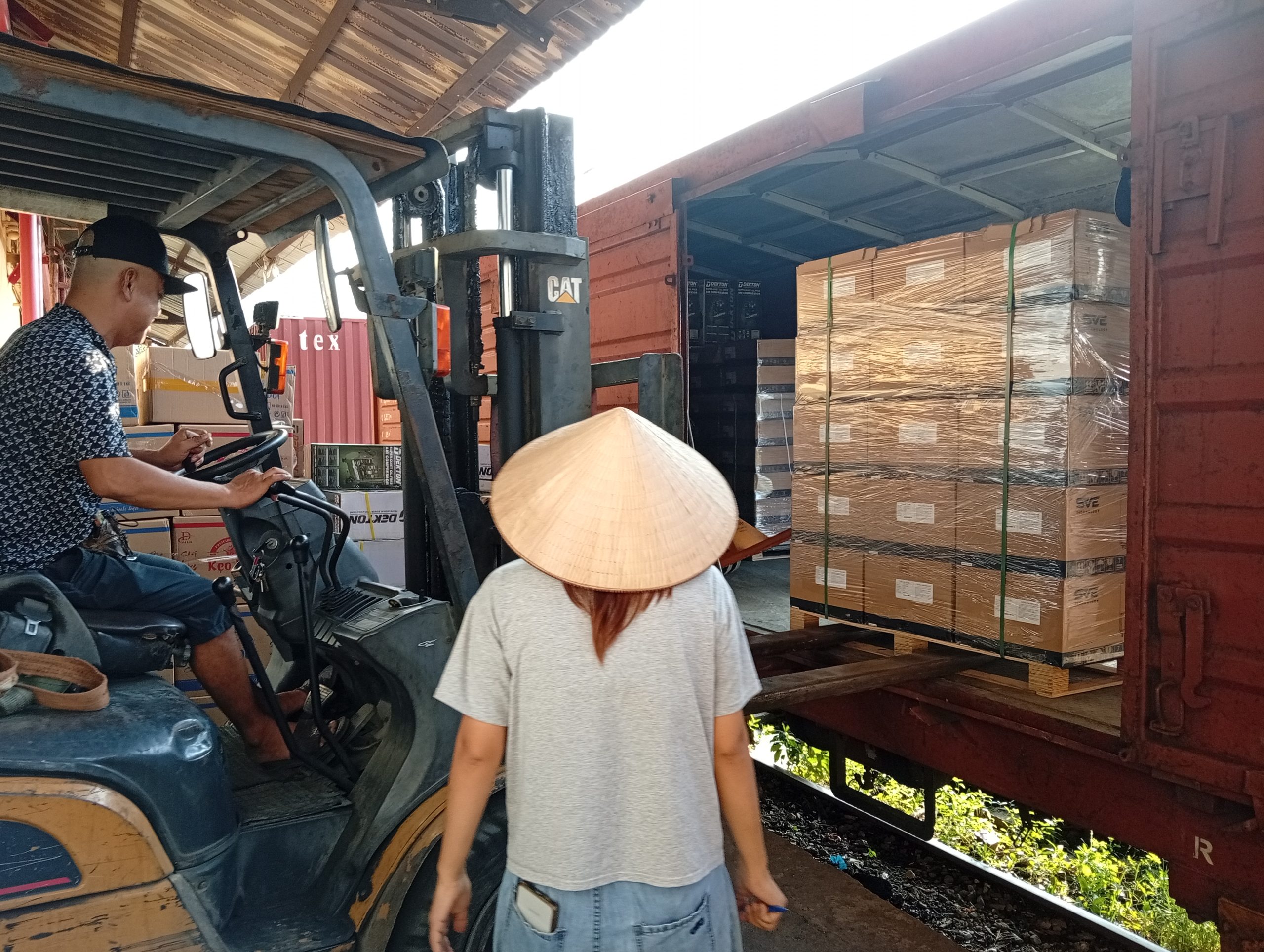
Table of Contents
1. Overview of North-South Railway Freight Services in Vietnam
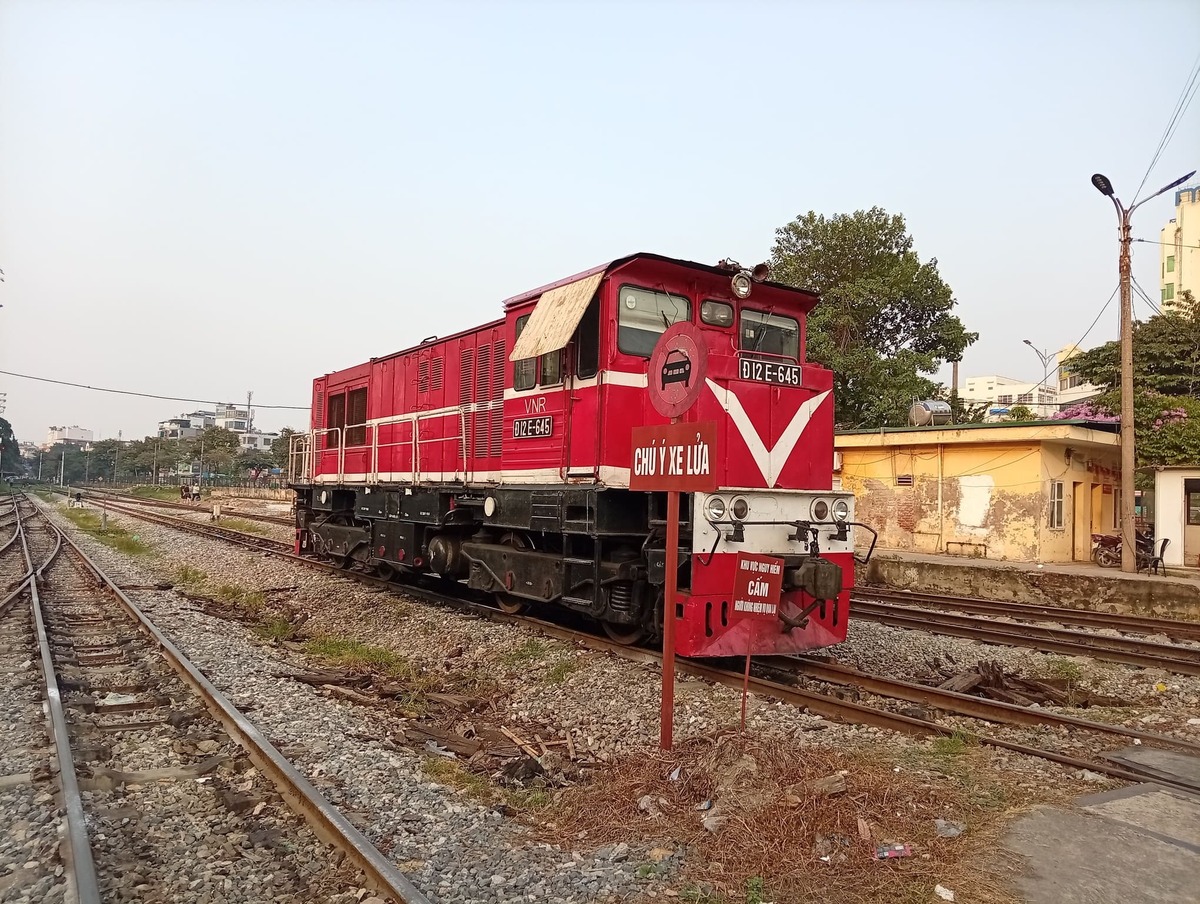
Railway freight transportation is one of the reliable and cost-effective solutions for moving goods between major cities and provinces across Vietnam. With an extensive railway network connecting the North, Central and South regions, rail transport is particularly suitable for businesses and individuals who need to ship large, heavy or bulky items over long distances.
The North-South railway route connects major economic and logistics centers, including Hanoi, Vinh, Hue, Da Nang, Nha Trang, Binh Thuan and Ho Chi Minh City. Compared with road transportation, rail freight offers several advantages, such as stable transportation capacity, reduced exposure to road traffic congestion and competitive costs for suitable types of cargo.
Nam Long provides railway freight services for a wide range of shipping requirements, including general cargo, commercial goods, machinery, household items, motorcycles and, subject to railway acceptance, automobiles.
Whether you need to ship goods from Ho Chi Minh City to Hanoi, transport cargo from Hanoi to Nha Trang, or arrange motorcycle and car transportation by train, choosing the appropriate shipping method is essential for ensuring safety, cost efficiency and timely delivery.
2. Why Choose Railway Freight Transportation?
Rail freight is a practical choice for long-distance transportation, particularly when the shipment is not urgently required within a few hours.
Cost-effective transportation for long distances
For bulky, heavy or large-volume shipments, railway transportation can offer competitive costs compared with some other transport options. Businesses shipping merchandise, equipment, construction materials or products in large quantities can benefit from the railway’s cargo capacity.
Stable transportation schedules
Railway transportation operates according to established train schedules. Although actual delivery times may be affected by operational conditions, weather and loading procedures, rail freight is generally less exposed to road traffic congestion.
Suitable for various types of cargo
Railway freight services can accommodate many types of goods, including packaged products, household furniture, machinery, industrial equipment, motorcycles and other accepted cargo.
Suitable for business and individual customers
Manufacturers, distributors, retailers, construction companies and individuals can all use railway freight services depending on their shipping requirements.
An option for transporting vehicles
Motorcycles and certain types of automobiles can be transported by rail, subject to the railway operator’s regulations, available equipment and route-specific acceptance conditions.
3. What Types of Goods Can Be Shipped by Train?
One of the most common questions from customers is whether trains accept parcels and other types of goods.
In general, railway freight services accept various categories of cargo, provided that the goods comply with transportation regulations and packaging requirements.
Common types of railway cargo include:
| Cargo category | Typical examples |
|---|---|
| Commercial goods | Consumer products, packaged merchandise, retail supplies |
| Industrial goods | Machinery, equipment, components and spare parts |
| Construction materials | Selected building materials and packaged supplies |
| Household goods | Furniture, personal belongings and household appliances |
| Agricultural products | Packaged agricultural products and suitable goods |
| Motorcycles | Scooters, motorbikes and other accepted motorcycles |
| Automobiles | Cars and other vehicles accepted under specific transportation arrangements |
Certain goods may be restricted or prohibited, including hazardous materials, flammable substances, explosives, illegal goods and products requiring special storage conditions.
Before shipping, customers should provide accurate information about the cargo, including its name, quantity, weight, dimensions, packaging and destination. This allows the freight provider to determine the appropriate transportation method.
4. Shipping Goods by Train from Ho Chi Minh City to Hanoi
The Ho Chi Minh City–Hanoi route is one of the most important North-South railway freight corridors in Vietnam.
This route is widely used by businesses and individuals who need to transport goods between the southern and northern regions.
Typical shipments include commercial merchandise, machinery, household furniture, production materials, equipment and packaged products.
Customers can choose between different delivery arrangements depending on their requirements:
Station-to-station delivery
The sender delivers the goods to the designated railway freight station, and the recipient collects them at the destination station.
This option is suitable for customers who can arrange transportation to and from the railway stations themselves.
Warehouse-to-warehouse delivery
Goods are collected from the sender’s location and delivered to the recipient’s designated warehouse, subject to service availability.
This option is convenient for businesses handling regular shipments.
Door-to-door delivery
For customers who prefer a more convenient service, pickup and final delivery can be arranged through an appropriate combination of road and railway transportation.
The actual service scope depends on the shipment’s location, cargo type and delivery requirements.
When shipping from Ho Chi Minh City to Hanoi, customers should confirm the cargo acceptance conditions, estimated transit time, handling charges and delivery arrangements before dispatch.
5. Railway Freight Services from Hanoi to Nha Trang
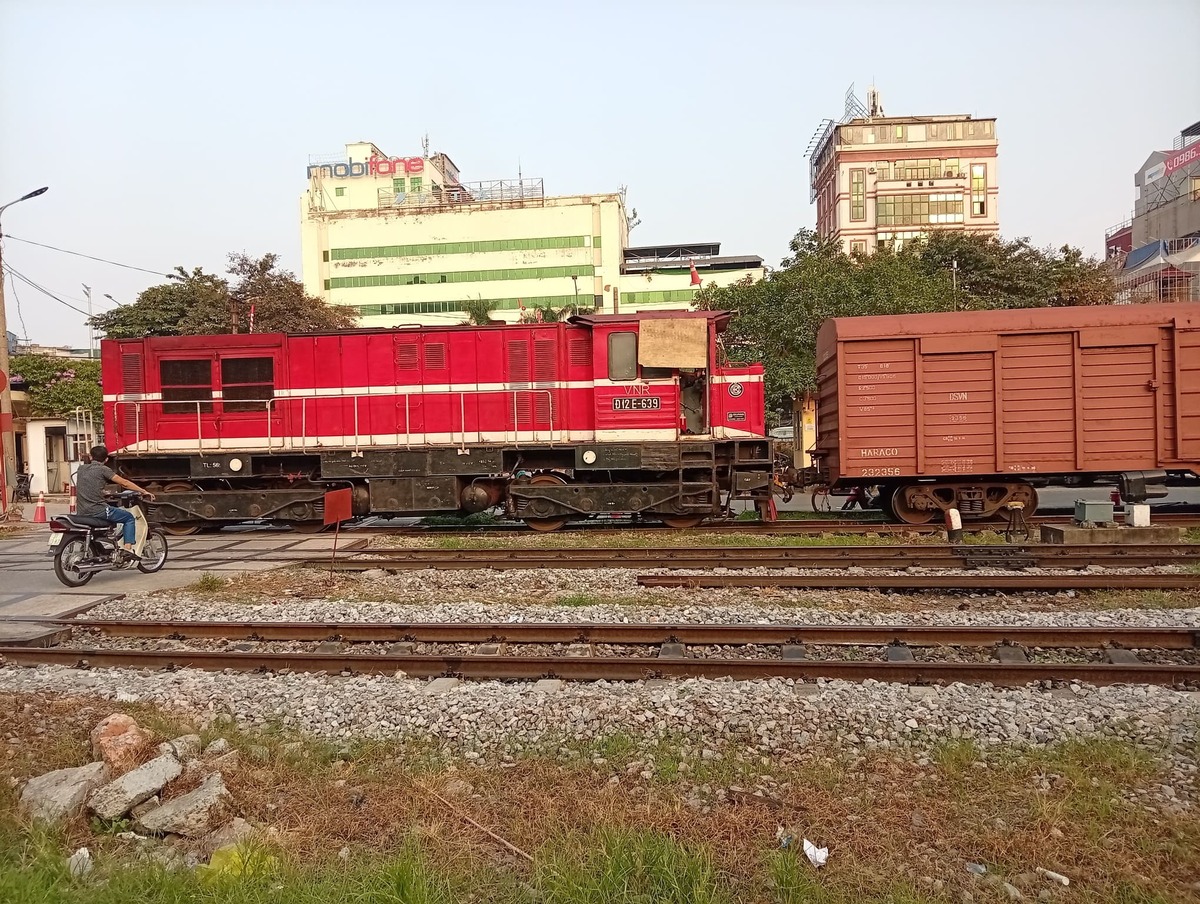
Hanoi–Nha Trang is another important railway transportation route, connecting the northern region with Khanh Hoa Province and the South Central Coast.
This route is suitable for businesses distributing products to Nha Trang, hotels, resorts, construction projects, retailers and individual customers.
Common shipments include:
-
Commercial goods and packaged products.
-
Household furniture and personal belongings.
-
Machinery, equipment and industrial components.
-
Construction supplies and selected building materials.
-
Other goods accepted by the railway freight operator.
For shipments between Hanoi and Nha Trang, customers should consider the total transportation process rather than only the railway journey. Loading, unloading, warehouse handling and final delivery may all affect the overall cost and delivery time.
For large or bulky shipments, railway transportation can be a practical solution compared with arranging the entire journey by road.
6. Does the Train Accept Parcels and Independent Shipments?
Yes. Railway transportation can be used for both passenger-related checked baggage and independent freight shipments. However, these are two different services.
Passenger checked baggage
This service is intended for passengers travelling by train who need to send additional luggage according to the railway operator’s baggage regulations.
The permitted weight, dimensions, charges and acceptance procedures depend on the applicable railway policies.
Independent railway freight
This service is designed for customers who need to send goods without travelling on the same train.
The sender does not necessarily need to purchase a passenger ticket. Instead, the shipment is registered as freight or goods sent through the railway cargo service.
This is generally the more appropriate option for businesses and individuals shipping merchandise, equipment, furniture or other goods between provinces.
Before choosing a service, customers should clearly identify whether they need passenger checked baggage or independent freight transportation.
7. How to Purchase Railway Checked Baggage Services
Customers travelling by train may need to send additional luggage beyond what they can conveniently carry.
The process generally involves the following steps:
-
Contact the railway station or authorized service provider to check the current baggage regulations.
-
Provide information about the luggage, including weight, dimensions and type of goods.
-
Confirm the applicable baggage allowance and charges.
-
Complete the required registration and payment procedures.
-
Follow the station’s instructions for luggage delivery and collection.
Passengers should not assume that baggage allowances and charges remain unchanged over time. The applicable regulations should be checked directly before departure.
For customers who need to ship goods independently without travelling, railway freight services are usually a more suitable option.
8. Motorcycle Shipping by Train and Factors Affecting the Cost
Motorcycle transportation by train is a common option for people relocating, students moving between cities, workers returning to their hometowns and customers purchasing motorcycles from other provinces.
Railway transportation can be suitable for both scooters and manual motorcycles, subject to the operator’s acceptance conditions.
How is a motorcycle prepared for railway transportation?
Before shipping, the motorcycle should be inspected and prepared according to the railway operator’s requirements.
Typical preparation procedures may include:
-
Cleaning the motorcycle before delivery.
-
Checking the fuel level and following the operator’s fuel safety instructions.
-
Removing or securing loose accessories.
-
Protecting vulnerable body panels and components.
-
Providing the motorcycle’s registration or ownership documents when required.
-
Completing the necessary delivery and receipt procedures.
Fuel handling requirements must be confirmed with the railway operator. Customers should not independently assume that a particular fuel level or battery condition will be accepted.
What determines motorcycle shipping fees?
The cost of shipping a motorcycle by train depends on several factors:
| Pricing factor | Explanation |
|---|---|
| Motorcycle type | Scooters, manual motorcycles and larger motorcycles may have different charges |
| Vehicle dimensions | Larger motorcycles may require more handling space |
| Transportation route | The distance and railway service used affect the cost |
| Packaging | Additional protective packaging may increase the total charge |
| Handling | Loading, unloading and storage arrangements may incur additional fees |
| Delivery method | Station collection and door-to-door delivery have different costs |
Customers should provide the motorcycle model, pickup location and destination to receive an accurate quotation.
9. Automobile Transportation by Train
In addition to general cargo and motorcycles, automobile transportation by railway may be available for certain routes and vehicle types.
This service can be considered by customers relocating to another province, businesses arranging vehicle transfers, car dealers and individuals who need to move a vehicle over a long distance.
However, automobile transportation by train is subject to more specific requirements than ordinary freight.
The railway operator must confirm whether the route has suitable transportation equipment, whether the vehicle type can be accepted and what loading and unloading arrangements are available.
Information required for an automobile transportation quotation
Customers should prepare the following information:
-
Vehicle make and model.
-
Vehicle dimensions and approximate weight.
-
Pickup location.
-
Destination.
-
Preferred shipping date.
-
Whether additional pickup or delivery services are required.
Electric vehicles may be subject to separate acceptance and battery safety requirements. Customers should disclose the vehicle’s powertrain type before requesting a quotation.
Because not every railway route or service can accommodate automobiles, customers should obtain confirmation before making transportation arrangements.
10. What Determines Railway Freight Charges?
There is no single fixed price for all railway freight shipments. The total cost depends on the characteristics of the goods and the transportation service selected.
The main factors include:
Shipping distance
Different railway routes have different transportation costs. A shipment from Hanoi to Nha Trang will have a different quotation from one travelling between Hanoi and Ho Chi Minh City.
Cargo weight and dimensions
Railway freight charges may be calculated according to weight, volume, cargo category or a combination of these factors, depending on the service.
Cargo characteristics
Fragile goods, bulky items, valuable equipment and goods requiring special handling may have additional requirements.
Packaging and loading
Proper packaging helps reduce the risk of damage during loading, unloading and transportation. Special packaging or handling arrangements may affect the quotation.
Pickup and delivery requirements
The total cost may include road transportation between the sender’s address, warehouse, railway station and recipient’s address.
For this reason, customers should request a quotation based on the complete shipment information rather than relying on a general price estimate.
11. Railway Freight Shipping Process
A clear shipping process helps customers manage their goods and reduces the risk of errors during transportation.
Step 1: Provide shipment information
The customer provides the type of goods, quantity, weight, dimensions, pickup location and destination.
Step 2: Check cargo acceptance
The service provider checks whether the goods can be transported by rail and identifies any special packaging or documentation requirements.
Step 3: Receive a quotation
The customer receives a quotation based on the route, cargo characteristics, handling requirements and delivery method.
Step 4: Arrange pickup and packaging
Goods are collected or delivered to the designated warehouse or railway station. Packaging is checked before dispatch.
Step 5: Complete shipping procedures
The necessary freight documents and handover procedures are completed.
Step 6: Transport by railway
The shipment is arranged for the appropriate railway service according to the confirmed transportation plan.
Step 7: Receive the goods
The recipient collects the shipment at the destination station or receives delivery at the agreed address if a delivery service has been arranged.
Customers should retain shipping documents and contact information throughout the transportation process.
12. Important Considerations When Shipping Goods by Train
Although railway transportation is suitable for many types of goods, customers should take several precautions before dispatch.
First, provide accurate information about the cargo. Incorrect descriptions, weights or dimensions can lead to delays and additional handling requirements.
Second, use suitable packaging. Fragile products, electronic equipment, glass items and goods with easily damaged surfaces should receive appropriate protective materials.
Third, clearly label the shipment with the recipient’s name, telephone number and destination information.
Fourth, check whether the goods are subject to special transportation restrictions. Hazardous materials, chemicals, batteries and other regulated products may require additional approval or may not be accepted.
Finally, confirm the delivery time and collection arrangements. Railway freight may involve station handling, transfer procedures and final road delivery, so customers should consider the complete transportation schedule.
13. Nam Long – Railway Freight Transportation Services Across Vietnam
Nam Long provides railway freight transportation solutions for businesses and individuals who need to ship goods between northern, central and southern Vietnam.
The service is intended to support a variety of transportation requirements, from individual parcels and household belongings to commercial cargo, machinery and vehicle transportation subject to acceptance conditions.
Customers can discuss their shipping requirements to identify a suitable route, transportation method and delivery arrangement.
For shipments from Ho Chi Minh City to Hanoi, Hanoi to Nha Trang and other North-South routes, providing complete cargo information helps the service provider prepare a more accurate quotation.
Contact Nam Long for Railway Freight Services
Company: Nam Long Transportation Company
Northern office: No. 14, Alley 364 Giai Phong Street, Hoang Mai District, Hanoi, Vietnam.
Phone: 0904 832 788 – 0988 977 890
Email: duongsatthongnhat.com@gmail.com
Website: vanchuyennambac.com
Contact the company with your cargo details, pickup location and destination to receive information about suitable railway freight arrangements.
14. Frequently Asked Questions About Railway Freight in Vietnam
Can goods be shipped by train without the sender travelling?
Yes. Independent railway freight services allow customers to send goods without purchasing a passenger ticket or travelling on the same train.
Can I ship goods from Ho Chi Minh City to Hanoi by train?
Yes. The Ho Chi Minh City–Hanoi route is an important North-South railway freight corridor. The available service and delivery arrangements depend on the type of cargo and current railway operations.
Can I send goods from Hanoi to Nha Trang by train?
Yes. Railway freight can be arranged between Hanoi and Nha Trang for accepted cargo. Customers should confirm the schedule, charges and collection arrangements before dispatch.
How much does it cost to ship a motorcycle by train?
The cost depends on the motorcycle model, dimensions, route, packaging and handling requirements. An accurate quotation requires the motorcycle and route details.
Can cars be transported by train in Vietnam?
Automobile transportation may be available on selected routes and under specific conditions. Acceptance depends on the railway operator’s equipment, vehicle specifications and transportation arrangements.
Is railway freight suitable for business shipments?
Yes. Railway freight can be a suitable option for businesses shipping commercial products, machinery, equipment and other goods over long distances, especially when cost and shipment volume are important considerations.
How can I receive a railway freight quotation?
Provide the cargo type, weight, dimensions, pickup location, destination and preferred delivery method. These details help determine the appropriate transportation option and estimated cost.